Reed
Ngetal (NYEH-tl)

The Letter
The Twelfth Consonant
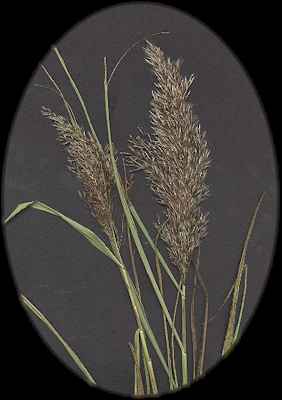
The Tree
Reed and Broom
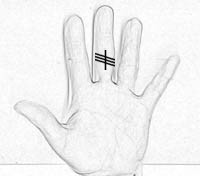
Place on the hand
The second joint of the middle finger
Color ~ Nglas ~ Glass Green
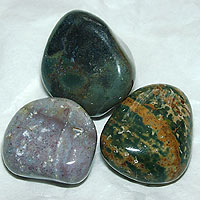
Stone ~ Clear Green Jasper
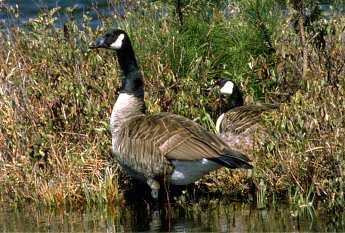
Bird ~ Ngeigh ~ Goose
Note ~ #e
Planet ~ Chiron
Goddess ~ Cerridwen
Symbols ~ things of the sea, a broom, items made of reed
Word oghams ~ wound – charm - healing
Healing ~ Use to aid in healing issues, balance and wellness, can be hormonal or emotional
Flower Essence ~ Rock Rose, Cherry Plum, Sweet Chestnut (combine)
The Tree ~ Reed is a symbol of royalty. It is the tree from which arrows are cut and is appropriate as a living Sun, a symbol of sovereignty shooting off arrows in all directions. Ngetal represents a sense of established power.
Canna-reed is ready for cutting in November. Reed is the tallest of the grasses, and is associated with water. It has a long tradition as a wand of authority, which is a symbol of recorded time. Papyrus is made from reed. A broken reed is a broken promise, a loss of trust, a seeping away of authority. This lunar cycle often includes Samhain. The Reed is the scepter of the Queen. The reed is earthly power and authority.
This is the Moon of the Home and Hearth. It is also the winter moon and symbolizes fertility, protection, love and family concerns. It is a tree of established power.
Reed is ready to cut in November. The Egyptian canna-reed, which grows from thick roots like a tree, was an ancient symbol for royalty in the eastern Mediterranean. In Egypt the reed was used to make scepters and arrows. Hence the Pharaohs of Egypt would shoot arrows in every direction to symbolize the Sun.
The Irish used the reed “whitten rose” for thatching of roofs. A house was not completed or established until the roof was thatched. The dead stems rattle in the wind and are commonly referred to commonly as broom. One thinks of Pan with the reed flute.
The reed is often associated with male kingship. Set and Osiris fought each over Isis and alternately killed each other, reflecting the cycle of sacred kingship. The Egyptian token of sovereignty was a scepter tip with ass ears that was broken upon Set’s death. When ancient kings were sacrificed or die the scepters were broken showing a loss of vitality and virility.
The Celtic cycle of sacred kingship is reflected in the Holly and Oak Kings’ seasonal rule of the land. The month of reed was the Season of death to the druids, the beginning of winter. It is the time of the Holly King. The symbolism of the reed, rod, and scepter are symbols of power and authority derived from ancient tree worship.
With Reed there is a union of complimentary opposites. It is the roaring of the sea, the dynamism of that which is forever steady. It is the subtle union of the conscious world and unconscious reality existing side by side. It is a sign of the boundary between this realm and those beyond. This is a time of unity of purpose and will.
What the Reeds Whisper
They say green parks
are the lungs of cities.
But marshes are the lungs
of sea lands, shores, my home
where water and earth intermingle.
Moon cleanses the marshes
with tides. Beneath in rich silt
thick with reeds and grasses
tiny creatures breed and die
to feed mollusks, fish, stalking
herons, long legged sandpipers
and us. The reeds stand
with their feet in water and bend
like brushed hair in the wind.
There is a sound like dry flutes
whispers at once intimate
and ancient. It was the Sea
of Reeds my ancestors crossed
to freedom, undergoing a sea
change from slaves to a people.
Hurricanes uproot trees -
locusts, maples, even oaks -
but reeds bow down, rise up.
It is not our world, this marsh,
fecund with hidden burrowing
life, these reeds close around
our canoe so that we are lost
fifty feet from a landing. We
rock gently in this inflowing sea
the reeds tame and drink.
by Marge Piercy
Botanical Information
The term "reed" is used loosely in North America. The reed of the Ogham is the common reed (Phragmites australis (Cav.) Trin. ex Steudel). It grows in marshy areas, where it can form dense stands. Like most other grasses, the vertical stems live one year, dying in the autumn and then replaced with new green shoots in the spring. The dead stems rattle and whisper in the late autumn winds. Common reed has spread as a weed throughout the world; in North America it is widespread in cooler climates.
Common reed is in the Grass family (Poaceae, or Gramineae). (Curtis Clark)
Guelder Rose or Water Elder (no relation to the true Elder) has the most beautiful clusters of translucent red berries during the late autumn, around the time of Samhain, so making it a good substitute "tree" for Ngetal - The Reed. The dead stems rattle and whisper in late autumn winds.
I AM A SOUND OF THE SEA
Calmest cold of deepest deep;
Sinuous swishing of sea snake sidling;
Baleful bark of sorrowing seal;
Shrill shrieking of timorous tern;
Bounding breaker on ragged rock.
On the earth, in the air,
Through the fire, by the water,
I am TERROR, the Reed moon’s daughter.
© Chris Carol 1979.